Fewer Destinations, Deeper Experiences: The Case for the Unhurried Coastal Stay
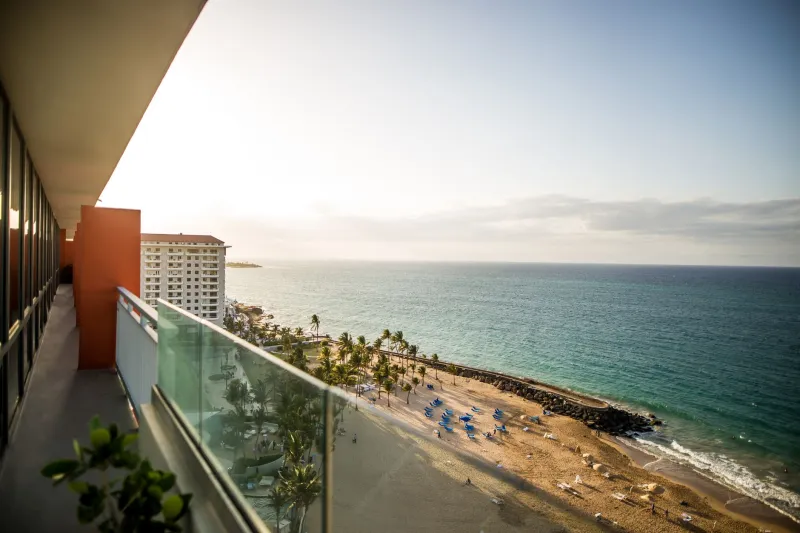
There is a particular kind of exhaustion that no amount of first-class seating or five-star accommodations can fully remedy — the fatigue that accumulates when a vacation is structured more like a logistics exercise than a genuine respite. For years, the prevailing notion of ambitious leisure meant collecting destinations: a morning in one city, a weekend on one coast, a quick interlude at a celebrated resort before the flight home. The itinerary itself became the status symbol.
Something, however, has begun to change among the most thoughtful segment of affluent American travelers. Quietly and deliberately, they are choosing to stay longer in one place, to settle into a single shore rather than skim across several, and to measure the success of a trip not by the number of locations visited but by the quality of presence achieved in each one.
The Psychology of Slowing Down
Research in leisure psychology has long suggested that the anticipation and transition phases of travel consume an outsized portion of our mental energy. When a vacation is composed primarily of arrivals and departures — new hotel lobbies, unfamiliar menus, recalibrated time zones — the traveler rarely reaches the deeper state of relaxation that the journey was meant to provide.
Extended stays at a single destination allow the nervous system to genuinely decompress. By the third or fourth day in a place, something shifts. The rhythm of the tides becomes familiar. The staff learns your preferences without being asked. The decision fatigue that accompanies novelty begins to dissolve, replaced by a quiet attentiveness to the details that make a place extraordinary. For those who spend the majority of their professional lives navigating complexity and constant demand, this quality of settled ease is not merely pleasant — it is restorative in a way that a weekend getaway simply cannot replicate.
The Redefinition of Luxury
The broader cultural conversation around luxury has undergone a meaningful evolution. Where conspicuous consumption once defined aspirational travel — the more destinations, the more elaborate the proof of one's means — today's most sophisticated travelers are drawn to something considerably more nuanced. Time itself has become the ultimate luxury, and the willingness to spend it generously in one place signals a confidence that no stamped passport page can convey.
This is particularly evident in the coastal travel market, where the finest beach clubs and resort properties are reporting a marked increase in extended bookings. Guests who might once have reserved three nights are now requesting ten. Families who previously divided a summer among several destinations are consolidating around a single exceptional shore. The logic is simple and compelling: when a destination is genuinely worthy of one's attention, a weekend barely scratches the surface.
What a Longer Stay Reveals
The great advantage of an extended coastal stay is that it rewards patience. A beach club experienced over the course of a week or more reveals itself in layers that a brief visit never could. The early-morning calm of the shore before other guests have arrived. The particular quality of afternoon light that falls across the water in late summer. The way a skilled culinary team evolves its offerings as the days pass, incorporating the morning's catch or the week's freshest local produce.
Relationships deepen as well — with staff who come to understand one's preferences with genuine attentiveness, with fellow guests whose company evolves from polite acknowledgment to easy familiarity, and with the destination itself. A coastline known only from a single weekend remains, in some essential way, a postcard. Known over a longer stay, it becomes something more personal.
Premier beach clubs have recognized this dynamic and are designing their programming accordingly. Rather than front-loading a guest's experience with a rapid succession of activities and events, the most thoughtful properties offer curated experiences that unfold gradually — a guided coastal excursion on day four, a private culinary event mid-week, a wellness consultation that builds on the days preceding it. The architecture of the stay, in other words, is as carefully considered as the architecture of the property itself.
The Practical Case for Consolidation
Beyond the psychological benefits, there is a straightforward practical argument for the extended single-destination stay. The logistics of multi-stop travel — the transfers, the repacking, the perpetual reorientation — carry both financial and temporal costs that are rarely accounted for honestly. When those costs are redirected toward a longer engagement with a single exceptional property, the return on investment, measured in genuine rest and meaningful experience, is considerably higher.
For families traveling with children or multiple generations, the calculus is even clearer. Establishing one home base eliminates the friction that accompanies frequent transitions, allowing every member of the group to settle into the particular pleasures that suit them — whether that means mornings on the water, afternoons in a well-appointed spa, or evenings gathered around a table with the kind of unhurried conversation that busy lives rarely permit.
Designing the Stay Worth Staying For
Not every destination, of course, merits an extended commitment. The case for the unhurried coastal stay rests entirely on the quality of what awaits the traveler who chooses to linger. A beach club capable of sustaining genuine interest and delivering consistent excellence across ten days must offer considerably more than a beautiful setting and comfortable rooms.
It requires a culinary program with sufficient range and creativity to remain engaging over time. It demands a service culture that evolves with the guest rather than delivering the same scripted courtesies on day eight as on day one. It calls for an environment — the architecture, the landscape, the sensory atmosphere — that rewards prolonged attention rather than fading into the background once the initial impression has been formed.
The most accomplished coastal properties understand that they are not simply selling nights; they are offering a sustained experience of a particular quality of life. When that experience is designed with sufficient depth and intention, the traveler who arrives for a long weekend will find, by the end of the first week, that departure feels genuinely premature.
An Invitation to Linger
The shift toward slower, more intentional coastal travel is not a retreat from ambition. It is, if anything, an expression of a more refined one — the ambition to actually inhabit a beautiful place rather than merely pass through it. To know a shoreline in its varied moods. To become, however briefly, part of the particular life of a place rather than an observer moving through it.
For those who have spent years collecting destinations, the invitation to simply stay — to resist the next flight, to let the days unfold at the pace the shore itself suggests — can feel both unfamiliar and quietly revelatory. It is, in the end, one of the more honest definitions of luxury that travel has to offer.
