Alone at the Water's Edge: The Rise of the Intentional Solo Beach Retreat
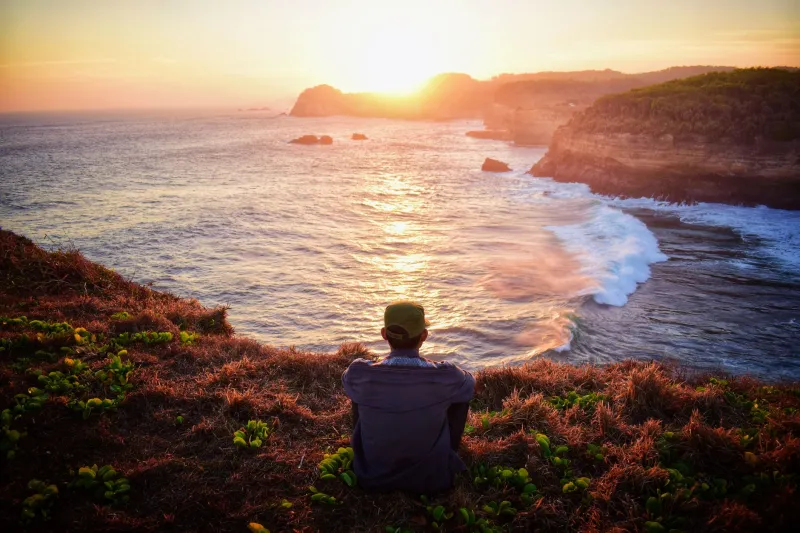
There is a particular quality of light that appears only when you are watching the ocean without the obligation of conversation. The way the late afternoon sun fractures across the surface of the water, the way a wave gathers itself before its collapse—these are observations that belong, almost exclusively, to the person who has chosen to be present without distraction. For a growing number of affluent travelers, that presence is no longer incidental. It is the entire point.
The solo coastal retreat has emerged as one of the most significant behavioral shifts in luxury travel. Where the beach club was once conceived as a fundamentally social institution—a theater of shared pleasures, of seen and being seen—it is now being reimagined as something altogether more personal. The most forward-thinking destinations along America's premier coastlines are not simply accommodating solo guests; they are designing entire experiences around the particular needs and desires of the traveler who arrives alone.
Solitude as Sophistication
It is worth pausing on a distinction that the luxury travel industry has been slow to articulate. There is a meaningful difference between loneliness and solitude, and the guests now seeking solo coastal retreats understand that difference with unusual clarity. These are not travelers filling a calendar gap or making the best of an unaccompanied situation. They are individuals—often accomplished, often deeply social in their daily lives—who have made a deliberate and considered choice to spend time alone at the shore.
This distinction matters enormously for how a beach club or coastal resort structures its hospitality. The instinct, historically, has been to fold solo guests into communal programming, to seat them at shared tables, to smooth over their solitude with the ambient warmth of a crowd. That instinct, however well-intentioned, fundamentally misreads what the intentional solo traveler has come to find.
What they seek, instead, is a kind of choreographed privacy—the assurance that their solitude will be honored, protected, and even celebrated, without ever tipping into neglect.
The Architecture of a Private Shore
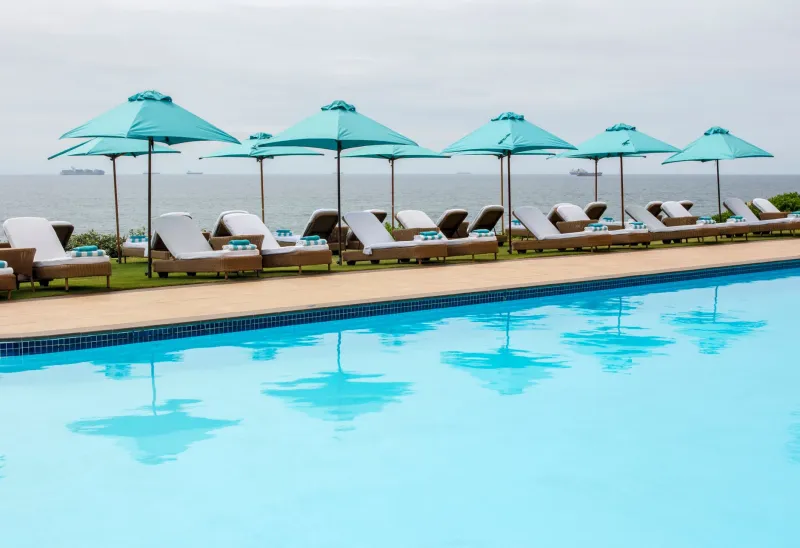
At the finest coastal clubs, the physical design of the guest experience has begun to reflect this understanding. Private beach access—not merely a reserved chair among rows of others, but a genuinely sequestered stretch of shoreline—has become one of the most sought-after amenities among solo travelers. The ability to sit at the water's edge without the social calculus of a crowded beach, to read or think or simply watch the horizon without performing leisure for an audience, carries a value that no square footage of interior space can replicate.
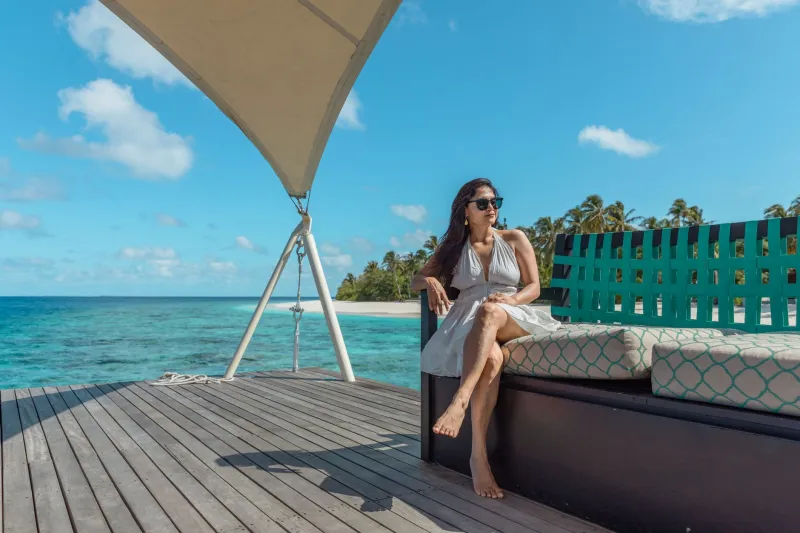
Cabana arrangements have similarly evolved. Where once a private cabana implied a space awaiting a party, the most thoughtful properties now configure them as complete personal sanctuaries—stocked not with bottles of rosé for six, but with a single curated selection of reading material, a personalized refreshment arrangement, and the kind of considered, unhurried service that asks nothing of the guest except that they remain comfortable.
The architecture of the shore itself communicates something important. When a beach club designs its landscape with natural breaks, with dune grass and sea oats creating organic visual privacy, with pathways that allow a guest to arrive at the water without passing through a social gauntlet, it signals to the solo traveler that their presence—and their preference for quiet—has been anticipated and respected.
The Table for One, Reconsidered
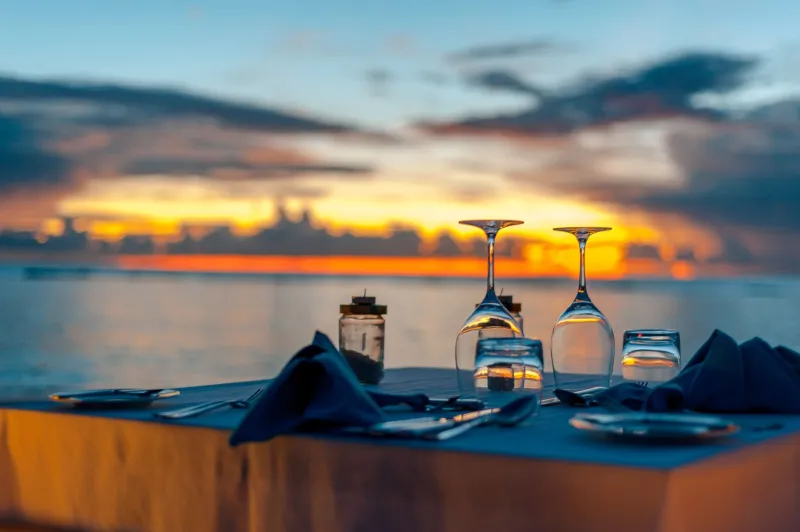
Few moments reveal a property's true orientation toward the solo guest more starkly than the dining experience. The table for one has long carried an unfortunate cultural weight in American hospitality—a symbol of absence rather than intention, of something missing rather than something chosen. The most sophisticated coastal dining programs have begun, finally, to dismantle that association.
The approach varies by property, but the underlying philosophy is consistent: the solo diner deserves not a diminished version of the full experience, but a version that has been thoughtfully calibrated to their particular situation. This might mean a counter or bar position that offers a view and a natural point of engagement with the culinary team, without requiring the performance of sociability. It might mean a tasting menu format that delivers a complete narrative of flavors without the social structure of shared plates. It might simply mean a server who understands that attentiveness and intrusion are not synonyms.
Some properties have introduced what might be described as solo dining programming—curated evenings designed expressly for guests traveling alone, structured around the pleasures of observation and conversation that arise naturally rather than by obligation. These are not group dinners by another name. They are something more nuanced: an acknowledgment that the solo traveler is not without appetite for human exchange, but that exchange, when it occurs, should be genuine rather than engineered.
Wellness Without Witness
The coastal wellness experience has long leaned toward the communal—group yoga at sunrise, meditation circles on the sand, fitness classes that derive their energy from collective effort. There is real value in that model. But for the intentional solo retreater, the wellness journey is often more internal, more quietly ambitious.
Private sunrise beach sessions, individual guided meditation walks along the shoreline, single-guest spa treatments that extend into unhurried afternoon hours rather than fitting within a tightly scheduled day—these are the wellness offerings that resonate most deeply with the solo traveler. The goal is not performance of self-care, but actual restoration. The difference, experienced in the body, is unmistakable.
Water-based solitude deserves particular mention. A solo kayak excursion at dawn, a private paddleboard lesson that becomes an hour of quiet communion with the sea, a guided snorkeling experience designed for one—these activities place the individual in direct, unmediated contact with the natural world in a way that group experiences rarely achieve. The ocean, encountered alone, is a different ocean entirely.
The Return to Oneself
There is a phrase that recurs, in various forms, among solo travelers who have experienced a well-designed coastal retreat. They describe it as a return—to clarity, to perspective, to some version of themselves that the accumulated weight of professional and social obligation had temporarily obscured. This is not hyperbole. It is the testimony of people who have spent serious time and serious resources in pursuit of something they found genuinely difficult to locate elsewhere.
The shore has always possessed a particular power to dissolve the unnecessary. The rhythm of tides is indifferent to status, to schedule, to the ambient anxiety of a connected life. What the finest beach clubs are now offering is not merely access to that rhythm, but the conditions under which a single guest can fully surrender to it—without distraction, without social obligation, without the need to be anything other than present.
That, ultimately, is the luxury that the intentional solo retreat delivers. Not solitude as deprivation, but solitude as the rarest and most restorative form of abundance.